
.svg)


Mixed-status households have long navigated complex systems with care, creativity, and resilience—even without clear or helpful guidance that reflects their lived reality. Differences in immigration status shape what options are available to each person, but they do not reflect the value of anyone’s role or contribution.
Because access is uneven, roles and strategies can shift depending on what feels most realistic in a given moment. This post shares examples of how households can think through these decisions together, along with questions and resources that may be helpful along the way.
Navigating Decisions With Care
Money conversations can already be hard. When immigration status is part of the picture, it can add another layer. Processes that may seem straightforward to some—enrolling a child in school, opening a bank account, setting up utilities—can take more time, bring up more questions, or require more paperwork for immigrant households.
In some situations, one person’s name appears on paperwork while other contributions stay off the page—caring for kids or elders, cooking, keeping the household running, helping people get to work or appointments, or stretching what money there is. These contributions matter. They reflect care, effort, and shared responsibility, even if a form or institution doesn’t “count” it.
When a process feels confusing or stacked against you, it can create tension at home and bring up frustration, stress, or guilt—especially when you’re doing everything you can yet it still feels hard. Naming that this is caused by systemic barriers can help take the pressure off each other and keep the focus on solutions, not blame.
Conversations can sound like:
- “Some things are easier for one of us to do on paper. That doesn’t mean it’s only their responsibility. We’re a team.”
- “Before we apply, let’s figure out what they’re going to ask for and who’s best to handle it.”
- “Let’s be honest about what feels safe right now and what feels like too much.”
It can also help to agree on roles ahead of time. Sometimes one person ends up doing most of the “on paper” work. Other times, the work is shared in ways that aren’t always visible. Either way, naming who’s doing what can help keep things fair and help people feel recognized.
Support can look like:
- Helping make calls or draft questions
- Mailing paperwork or tracking deadlines
- Covering certain expenses
This can help you then get more specific about who handles which paperwork, what questions to ask, and what support to lean on. Questions that can come up include:
- Who should be listed on a lease, utilities, or a bank account?
- Who files taxes, and how?
- What documents are required, and who is best positioned to provide them?
- What support can we lean on—family, friends, or community resources?
Example Scenarios
Here are a few examples of how households may approach these situations.
- A household where one parent has a Social Security Number (SSN) and the other does not.
When one parent has an SSN and the other doesn’t, a lot of the “on paper” responsibilities may land with the person who has the SSN—not because they’re the only one contributing, but because certain systems require specific documents or an SSN to move forward.
In practice, a household may decide that the parent with an SSN will:- Sign the lease or be the primary contact for utilities
- Open a bank account used mainly for rent and bills
- Be the person listed on applications that require an SSN or standard ID
At the same time, the other parent may be contributing in ways that keep the household stable, through paid work when possible, caregiving, childcare, managing the home, coordinating appointments, or supporting extended family.
- A household where no one has an SSN, but extended family members do.
When no one in the household has an SSN, some options may feel more limited or require extra steps. In these situations, families may lean on trusted relatives for certain tasks—while still keeping decision-making within the household.
One approach can look like:- Asking a trusted relative to help gather information (what documents are required, what’s optional, and what the process actually involves)
- Using community-based services (like sliding-scale clinics, food pantries, or local programs) that don’t require an SSN
- Keeping responsibilities clear if someone outside the household helps with payments or paperwork (for example: who has access, who sees what information, and what boundaries are in place)
This is also where households often decide in advance how they want to respond to certain questions—including when it’s okay to say, “I’m not comfortable sharing that,” or “Can you explain why that’s required?” Setting those boundaries early can protect trust inside the household.
- A household where one adult has an SSN (work-authorized), but elder parents or grandparents do not.
Supporting elders can be especially complicated because many systems don’t treat parents or grandparents as “dependents.” For example, workplace benefits often only cover a spouse/domestic partner and children, even if you’re the one paying for your parents’ rent, food, or medical needs. Because of that, some households may want to consider a mixed method approach. For health care, this might mean using restricted-scope or emergency coverage for urgent needs, and community clinics with sliding-scale fees for regular check-ups, medications, and ongoing primary care. For food support, households may lean on food pantries, mutual aid, or community programs. If the household includes eligible members (such as U.S.-born children), households can often apply for benefits for those individuals even if not everyone qualifies.
Things to Consider When Exploring Resources
Resources exist at different levels—federal, state, county, city, nonprofit, and community-based—and they don’t all require the same information. Knowing what type of resource you’re dealing with can help you decide what questions to ask and whether it feels right for your household.
Things to consider:
- Who has the ID they’re asking for?
- Who has income documentation (pay stubs, tax returns, etc.)?
- Who feels comfortable being the point person?
- Who is less likely to be put in a stressful position by the process?
If a question feels uncomfortable, it’s okay to pause or set a boundary. People may say:
- “I’m not comfortable sharing that information right now.”
- “Is that required to continue?”
- “Can you explain why that information is needed before I decide?”
- “What documents do I absolutely need to apply?”
If asking directly feels difficult, a trusted family member, friend, or community organization can sometimes help gather information first. Getting clarity ahead of time can make it easier to decide what feels appropriate to share.
Resources to Explore
Health Care Access
- Employer-Sponsored Insurance:
Most employer health plans do require a Social Security number (SSN) when someone is enrolled as an employee. In some cases, dependents may be added temporarily without an SSN (such as a newborn waiting for a number to be issued), but generally health insurers require an SSN for dependent coverage once they fully set up the policy. Adults without a valid SSN typically cannot be covered through Covered California Marketplace plans or employer-sponsored insurance.
- Medi-Cal and Emergency Medi-Cal (California):
Emergency Medi-Cal remains an option for Californians who qualify based on income for urgent or emergency services, regardless of immigration status. As of January 1, 2026, adults without Satisfactory Immigration Status (SIS) won’t be able to newly enroll in full Medi-Cal, but people who already have coverage can keep it by renewing on time. See the DHCS Immigrant Eligibility FAQs for details.
- Community Clinics and Nurse Lines:
Free nurse advice lines may be available through county health departments or community clinics, including for people who are uninsured. Availability varies by location, so calling a local clinic or county public health office can help identify options.
Banking and Financial Access
- Review our resource “How to Open a Bank Account.” This page walks through considerations when choosing an account.
- Explore BankOn to find accounts that meet national standards for low fees and consumer protections.
- Learn more about affordable accounts through FDIC Get Banked.
Taxes and Income Documentation
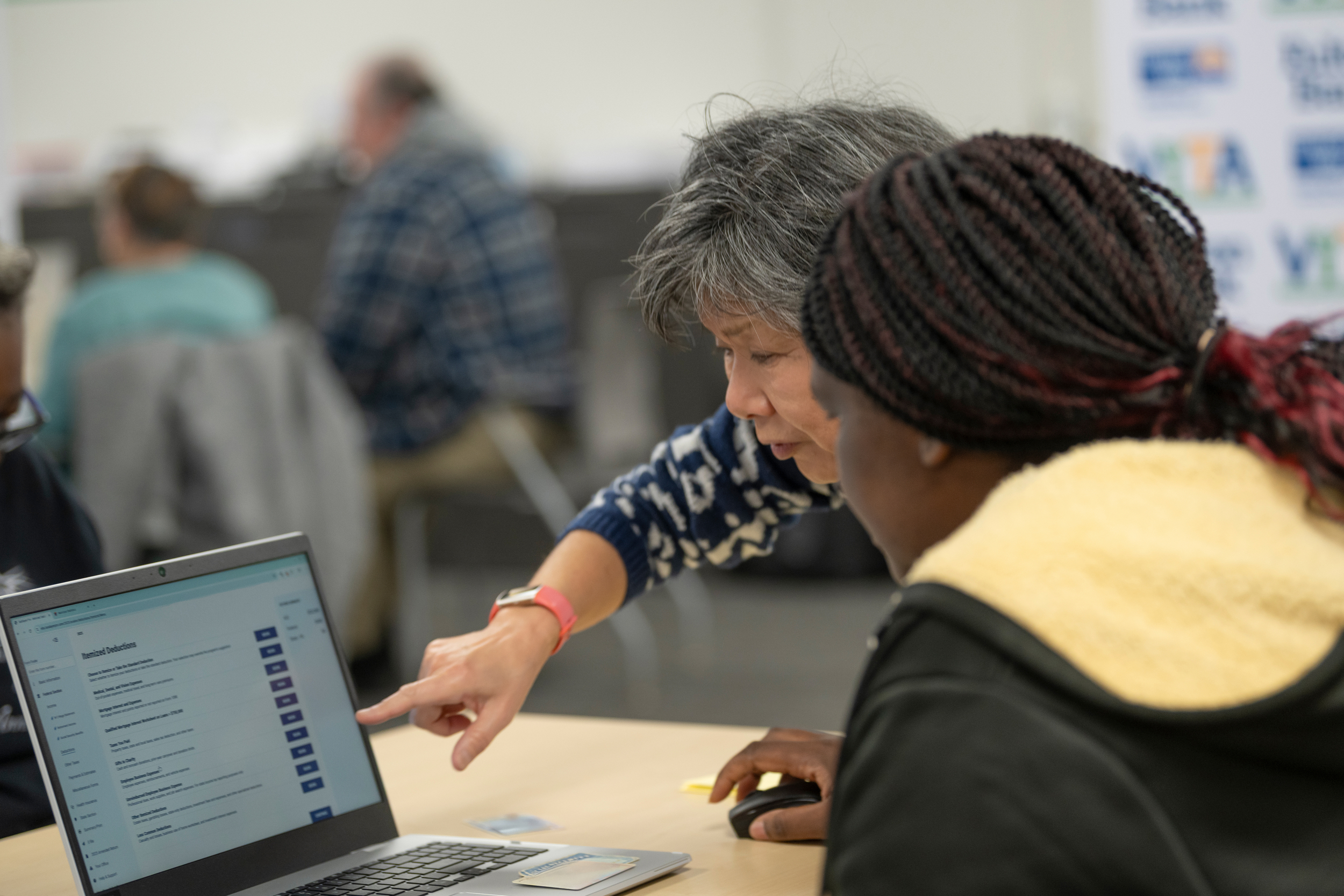
- Check out our affiliated website MyFreeTaxes.org, which offers free tax filing options and provides educational materials, including checklists of what documents are needed to file. Filing taxes can help document income over time, which can be useful when applying for things like college financial aid, housing, or income-restricted programs.
- Individuals who are ineligible for an SSN may be eligible to apply for an ITIN. You can read more on the MyFreeTaxes ITIN resource hub.
Mutual Aid (Neighbor-to-neighbor support)
- Look into community-based support like mutual aid groups, faith-based organizations, or volunteer-led efforts. These can look different from formal programs and may feel more accessible or flexible for some families. Local groups like Buy Nothing help neighbors gift and receive items freely, both used and new. These types of networks can be helpful year-round, including for school supplies, clothing, medical supplies, electronics, and more. If something needs a little repair, Repair Cafés are free community events where volunteers help fix electronics, clothes, and more.
MyMoneyPath
- Tips for planning ahead in case someone needs to access your finances.
- Information on understanding payday loans and how to open a bank account.
- Find your local United Way, which may offer additional support in your area.
- Visit 211ca.org or call 211 to get connected to local programs. While 211 may not have every answer, their specialists are trained to connect you to local programs and organizations that may be able to help.
Consider Creating a FREE Account!