What steps can you take to improve your credit score?
Unfortunately—there’s no silver bullet when it comes to your credit score. Often, credit repair takes time and being consistent with actions related to your credit score.
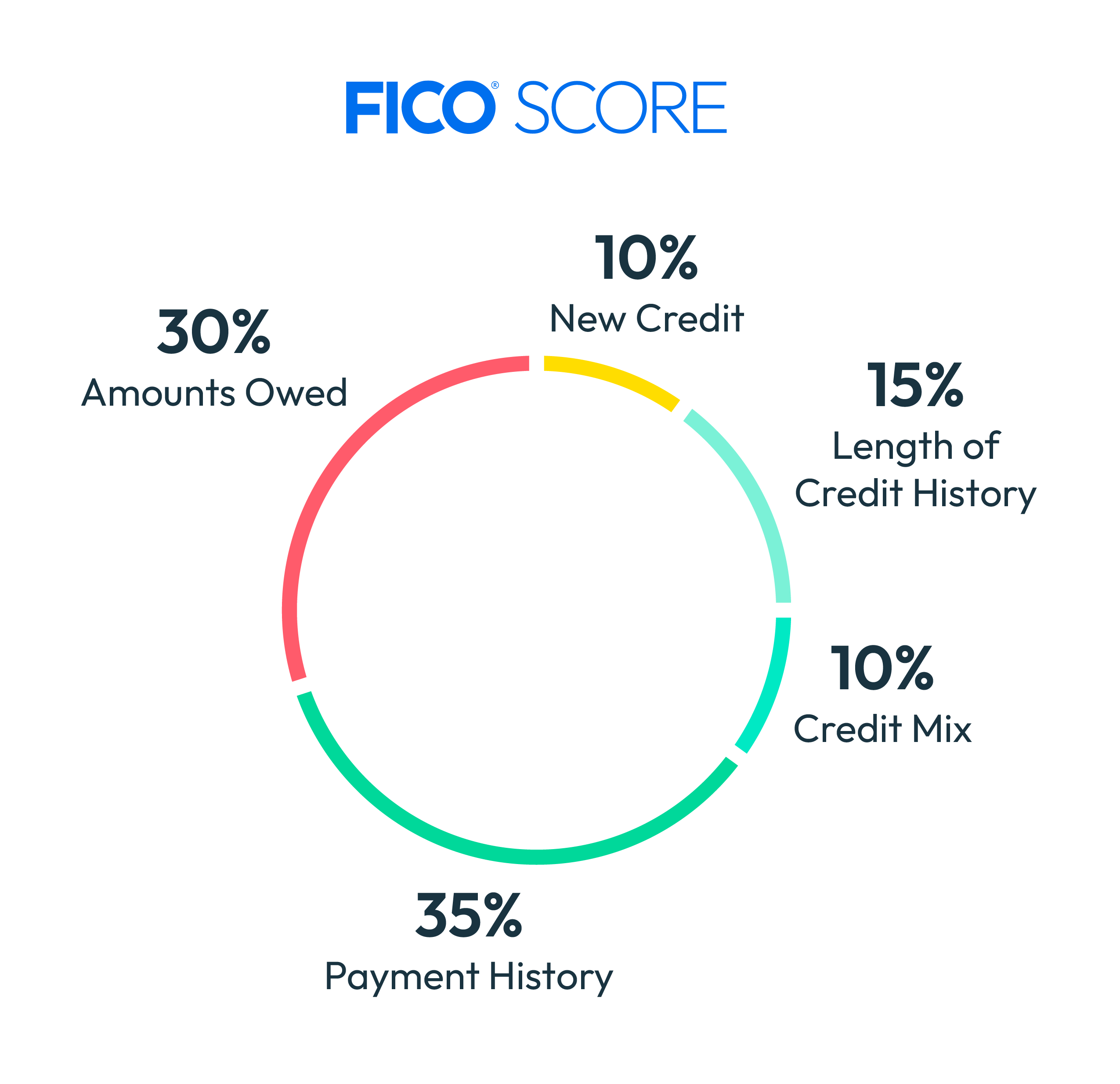
FICO has said that nearly 65% of your credit score’s “weight” is tied to two things:
Because of this, there are a few things that will always improve your credit score significantly—so you should start here:
🧾
Paying credit bills on time, every time.
By paying bills on time, you can help demonstrate a solid credit history. That will ensure that creditors see you are capable of paying debt down. No Debt? You can always start an emergency fund - and check out the next section for ways to start building credit.
📊
Keep your utilization low.
A lower credit utilization ratio demonstrates responsible credit management and will positively impact your credit score. You can use your Tax Refund or other unexpected sources of funds to reduce your total amount of debt - which will increase your score.
💰
Start an emergency fund.
Having a solid emergency fund will help you avoid failing into the trap of high interest credit cards to cover unexpected expenses.
What else?
If you’ve already taken those first steps or are working towards those, there are a few other things you can do to make sure you’re on the right track.
💳
No credit or limited credit history? Become an authorized user on a well-managed card.
Being added to a credit card in good standing (good payment history and low utilization) can quickly boost your own score, especially if you have limited credit history.
📝
Use rent and utility reporting services.
Credit bureaus don't always consider these regular on-time payments. However, services like "Experian Boost" can add them to your credit report, potentially improving your score.
🧠
Be strategic when you’re applying for new credit.
Don't apply for too many accounts at once, since each “hard inquiry” can cause temporarily dip in your score. If you're rate- shopping for a large purchase (like a mortgage or auto loan), apply within a short period of time (14 Days) to minimize the impact.
💸
Consider using your tax refund to reduce outstanding debt.
Putting extra funds towards paying down high interest credit card debt not only lowers your credit utilization rate, but frees up more of your regular income to tackle other outstanding debts or build out your emergency fund.
💬
Negotiate a lower interest rate with your creditors.
A lower interest rate can free up more money to pay down debt faster, leading to a lower credit utilization ratio and significantly improved score over time.
🔍
Check your credit report for mistakes and dispute them.
Derogatory marks or fraudulent information on your credit report can have a significant impact on your credit score.
🤝
Negotiate a “pay for delete” terms with collection agencies.
If you have accounts in collections, you may be able to negotiate with the collection agency to remove the negative items from your report once you pay it off completely. However, you must confirm this will be the case before payment.
Watch out for credit scams!
Because credit has such a big affect on our lives, there are many services that advertise “Credit Repair” or something similar. Some are coaches who can help, but many are scams. Remember, you can fix your credit yourself- and there are ample resources to help you do so!
Worried about a financial service being a scam? Learn how to tell if a credit check or credit counselor is a scamhere.
No items found.
Add a credit goal to your money plan in MyMoneyPath.
Ready to add a smart goal around your credit to your Smart Goal list in MyMoneyPath?


.svg)