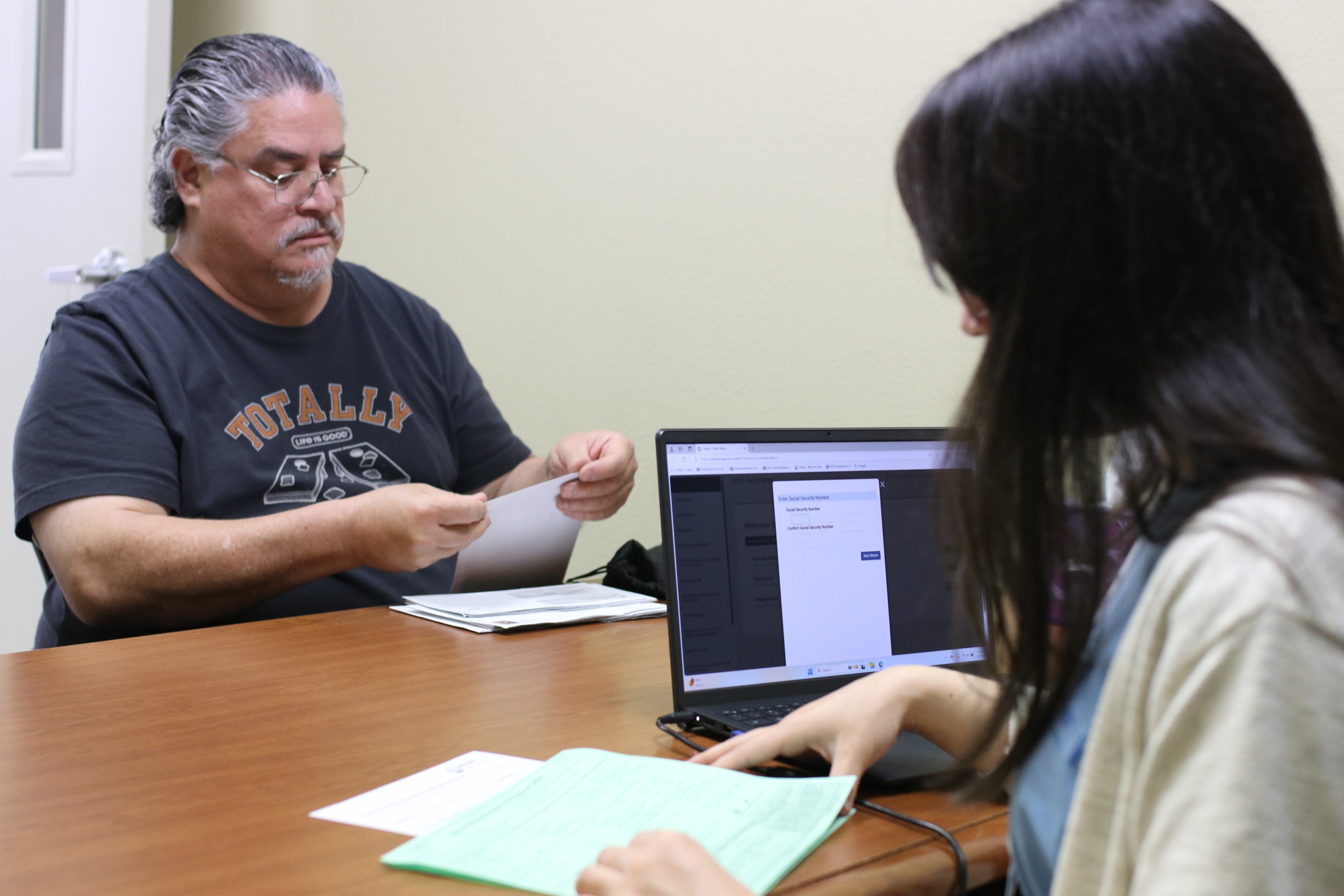




Navigating public benefits, healthcare, financial services, or other systems can be tricky. You may spend a long time on hold, be asked to provide the same information more than once, or get stuck trying to explain your situation.
While you may not always get an immediate answer or resolution, there are things you can do to make navigating these systems a little easier. Below are some tips for describing what you need, asking for help, understanding your options, and keeping track of important information.
Describing What You Need
It can be hard to know where to start when someone asks what you need help with. If you have been dealing with an issue for a while, it may feel like you need to explain everything that has happened. Try starting with the most recent issue that brought you there and the specific thing you need help with at that moment. If there is a longer history that may be important, you can mention that before going into all of the details. Then, ask what information would be helpful for the person assisting you.
For example:
- “I am here because I received this notice. I've been dealing with this issue for a while, so let me know how far back you need me to go.”
- “I have paperwork and notes from previous conversations. What information would be most helpful for you to understand the issue?”
- “There have been a few different issues with my case. Where would you like me to start?”
This can help you avoid having to retell your situation and help identify the information needed to get you the answers you need.
Explaining Barriers and Exploring Solutions
If there are barriers preventing you from accessing certain services or completing an application or other process, sharing a little about the barrier you are facing can give the person helping you a better understanding of your situation. Combining that with a suggested workaround can help you both work together toward a solution.
For example:
- Language: “English is not my first language. Is interpretation available? If not, can you provide this information in writing and speak more slowly while we go through it?”
- Accessibility: “I use a screen reader and I'm having trouble accessing this form. Is there another accessible format I can use?”
- Transportation: “I don't have reliable transportation to get to the office. Is there a phone, online, or other option available?”
- Sensitive topics or previous experiences: The person assisting you may not know if you are already feeling stressed, have had a difficult experience with the process before, or if certain questions or terms make you uncomfortable. You do not have to explain your entire experience. Instead, you can focus on what would help: “I've had a difficult experience with this process before, so I may need you to explain things as we go,” “Talking about _____ is difficult for me. Do we need to discuss that today?” or “That term makes me uncomfortable. Is there another way we can talk about this?”
Keeping Track of Information
Keeping yourself organized in tracking appointments, deadlines, documents, phone calls, and conversations with multiple people is important in making sure there is follow through in the process. Depending on what works for you, you may consider:
- Asking for instructions, decisions, deadlines, and next steps in a format you can easily refer back to, such as by text or email. If you receive something on paper, consider taking a picture as a backup.
- Asking for a calendar invitation, text, or electronic reminder for upcoming appointments and deadlines.
- Keeping track of who you spoke with and when, along with any case, confirmation, or reference numbers.
- Asking when you should expect to hear back and what to do or who to contact if you don't.
- Keeping copies of documents you submit and, when possible, confirmation that they were received.
The goal is to make it easier to find important information and know where to pick back up if you need to follow up later.
Finding Your Next Step
Sometimes the first answer you receive may not resolve your issue. While it may be tempting to vent all the frustration or to give up, these may not lead to a resolution or further leads. .
- Ask who else may be able to help: Sometimes you may have difficulty working together or making progress with the person assisting you. You can say, “I would like to speak with someone else about my situation. Can you transfer me to another representative or a manager who can assist me?”
- Ask about review or appeal options: “Is there a process for having this decision reviewed or appealing the decision?”
- Ask what else may be available to you: “What other services or options does your organization offer that I might be eligible for?” You may have originally reached out about one specific need without knowing about other services or options. Asking broader questions can help you understand what else may be available.
- Ask for outside resources and how to navigate your next conversation: Even if the person assisting you cannot resolve the issue, they may know of other resources or organizations that can help. You can ask, “Are there other resources or organizations you know of that may be able to help me?” If so, ask whether they can connect you directly or if there is a specific program, department, or person you should ask for. You can also ask, “What should I ask for when I contact them?” “Is there a name for the type of help I'm looking for?” or “What information should I provide so they understand what I need?”
Take the Next Step
Navigating a complicated system can take time and may involve several steps. Use our free MyMoneyPath goal-setting tool to create a SMART goal and break down what you need to do next into smaller steps. Not sure where to start? Answer a few questions to view recommended resources based on your needs and goals.
Consider Creating a FREE Account!